This guide explains how dental implant care can be made more affordable while maintaining clinical quality. It provides objective background on “receberecebe” as a placeholder term, reviews low-cost implant information sources, compares regional pricing by currency, and outlines a practical step-by-step pathway for obtaining implants. It also includes FAQs and professional disclaimers.
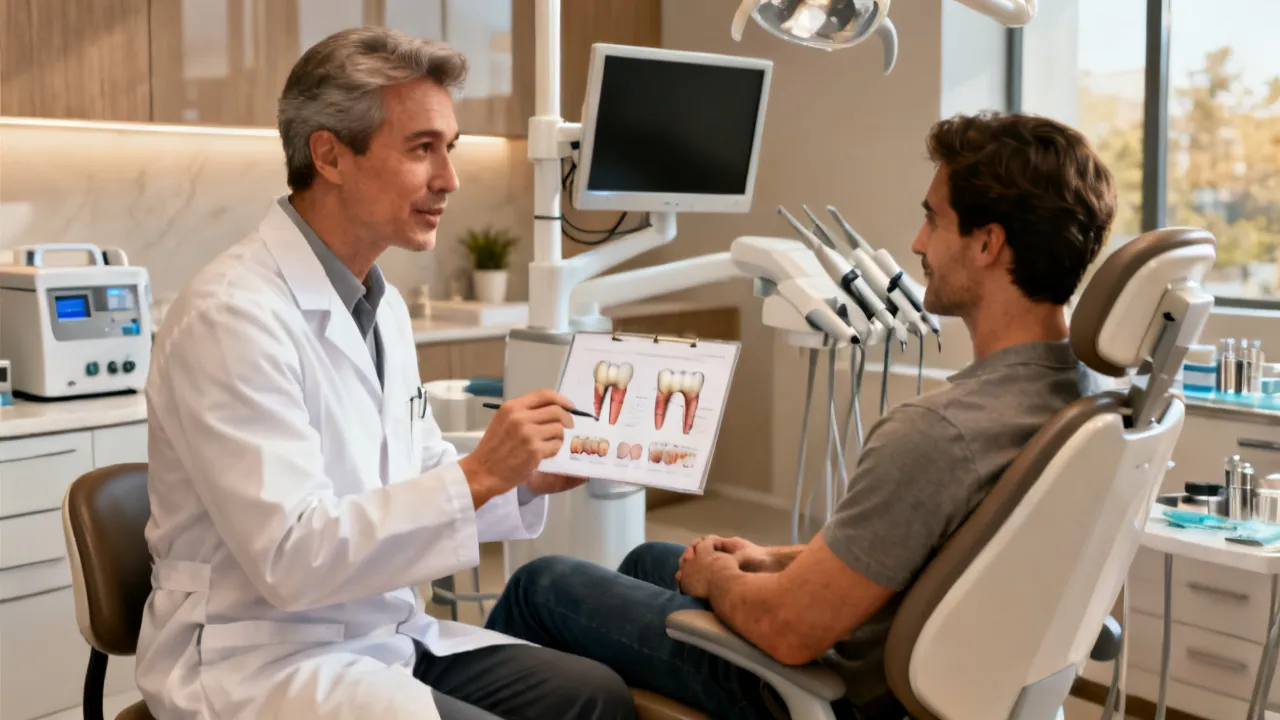
Low-cost dental implants are often pursued to reduce out-of-pocket spending, but the safest path is not simply “the lowest price.” A reliable program typically balances clinical evaluation, implant system selection, surgical experience, and restorative planning—factors that can materially affect good outcomes. Alongside this, patients may also use dental insurance plans or dental tourism pathways depending on eligibility and budget.
The keyword string “receberecebe” is used here as an unlinked placeholder phrase. In practice, implant affordability discussions usually revolve around: transparent treatment planning, verified provider qualifications, and cost components such as imaging, implants, abutments, and crowns.
Dental implants are surgical and prosthetic treatments that require coordinated steps: diagnostic imaging (commonly CBCT where appropriate), implant placement, healing/osseointegration, and final restoration (crown, bridge, or overdenture). The “low-cost” label may reflect different choices—such as selecting a specific implant brand, simplifying the prosthetic design, bundling services, optimizing appointment schedules, and sometimes using standardized surgical/restorative protocols for appropriately selected cases.
From an industry perspective, the very important variable is not only the implant fixture cost, but also the overall treatment governance: pre-operative risk assessment, infection control, surgical planning accuracy, implant selection and positioning, abutment selection, and the restorative team’s ability to create a functional and hygienic final bite. In other words, affordability should be evaluated as a package of decisions, not just a line-item price.
Patients often focus on the fixture fee because it appears prominently in advertising. However, the “total implant experience” includes many items that influence long-term success: diagnostic imaging quality, graft materials if needed, abutment type, the number of visits and clinical steps required, the fit and occlusion of the final restoration, and the maintenance schedule after placement. A “cheap implant” that is later complicated by poor fit, uncontrolled bite forces, inadequate hygiene access, or missing restorative follow-through can end up costing more overall.
Additionally, low-cost programs may have constraints. Some clinics may reserve certain pricing packages for patients with specific clinical conditions (for example, adequate bone volume and good oral hygiene, or limited restorative complexity). Other clinics may provide the low-cost price only if the patient accepts certain materials (e.g., specific crown types) or a standardized timeline. These constraints are not inherently negative—sometimes they are what allow cost control—but patients should confirm them explicitly.
When comparing quotes for low-cost dental implants, request an itemized breakdown. A typical budget may include:
Any provider advertising “low cost” should still be able to explain what is included and what might be added later if additional clinical steps become necessary. A responsible clinic will not treat every complication as an “upsell.” Instead, it will clarify which procedures are “expected in the bundle” and which are “case-dependent” based on diagnostic findings.
Cost breakdowns are also where patients can detect whether a quote is truly comparable to other quotes. For instance:
Because implants are both surgical and restorative, a “full treatment” quote should ideally specify the full scope—from diagnosis to final restoration to maintenance-related instructions. If a quote is only partially defined, patients should consider it a starting point rather than a final affordability comparison.
To make affordable implant decisions, patients benefit from comparing reputable resources. Below is a compact comparison of websites that focus on low-cost implants, broad dental services, or affordability strategies through coverage and international care pathways. This is designed to help readers understand what each source emphasizes before contacting clinics.
| Website / Focus | What It Typically Covers |
|---|---|
| dentalviews.com (Low-cost dental implants information) | General benefit explanations, overview of implant types/treatments, process and pricing discussion themes. |
| atlanticdentalgrp.com (Clinic services breadth) | Multi-service clinic details such as cleanings, orthodontics, implants, and appointment/availability information. |
| dentavacation.com (Dental tourism) | Cross-border affordability strategy: procedure availability by country, cost comparisons, and travel planning concepts. |
| rockvilledentalarts.com/es (Spanish-language clinic services) | Spanish-facing clinic communications covering implant-related offerings and related dental care services. |
| cigna.com (Insurance guidance for implants) | Educational overview of dental implants, helping users interpret coverage and treatment concepts. |
| unioncityminidentalimplants.com/es (Mini-implant specialization) | Specialized information emphasizing mini dental implants and who they may suit based on limited replacement needs. |
| dentalvidas.com.br (Dental plans in Brazil context) | Dental plan orientation and network/emergency access concepts relevant to ongoing dental care affordability. |
source: www.dentalviews.com (source of information)
source: www.atlanticdentalgrp.com (source of information)
source: www.dentavacation.com (source of information)
source: www.rockvilledentalarts.com/es (source of information)
source: www.cigna.com/es-us/knowledge-center/guide-to-dental-implants (source of information)
source: www.unioncityminidentalimplants.com/es (source of information)
source: www.dentalvidas.com.br (source of information)
These sources are not a substitute for a personalized clinical assessment, but they can help patients learn the “language” of implant planning. For example, some patients arrive at the clinic only asking about implant prices. After reading educational materials, they are more likely to ask: whether the implant type matches the bone anatomy, whether CBCT is necessary, what materials are used for the crown, and how the clinic handles complications.
In addition, Spanish- and Portuguese-language resources can reduce communication gaps. When patients better understand their options, they can more reliably compare offers and spot inconsistencies. Language accessibility is not only a convenience; it can be directly linked to safety because the patient’s understanding of consent, post-operative instructions, and maintenance requirements affects outcomes.
Below is a practical, industry-informed pathway for patients pursuing affordability in English-speaking, Spanish-speaking, and Portuguese-speaking settings (and in practice, many principles translate across borders).
Low-cost options should still begin with proper screening: periodontal status, bone quality, bite analysis, medical history (e.g., diabetes control, smoking status), and oral hygiene capacity. If you hear “implant for everyone,” treat it as a red flag. A clinician should explain whether you need bone augmentation or treatment of infection first.
In many cases, implant eligibility is limited by factors that are not immediately visible. For example, bone density and the width of the ridge influence primary stability. Even when a patient is “interested” in an implant, implants require sufficient support and a plan that respects the anatomy. If a clinic offers low cost without discussing these prerequisites, patients risk receiving a plan that does not reflect reality.
Clinical eligibility also depends on systemic and behavioral factors. Uncontrolled diabetes, heavy smoking, untreated periodontal disease, or poor compliance with aftercare can compromise healing. A responsible clinician should evaluate these risk factors and help you reduce them—because lowering risk is often part of preserving long-term value.
For some patients, “low cost” may be achieved not by reducing implant quality but by addressing problems first. Example: periodontal stabilization and hygiene training might appear as extra visits, but they can prevent future complications that are more expensive than the initial stabilization phase.
When comparing “receberecebe” style placeholder language on a webpage, focus on concrete items. Ask:
A full treatment plan should include: diagnosis, imaging findings, proposed number of implants, implant position rationale, whether grafting is needed, the timing between placement and restoration, and a restorative design explanation. It should also clarify what the patient receives at the end—especially whether the final crown/bridge is included or if a separate fee applies later.
Patients can also request a “best case” and “most likely case” scenario. For affordability planning, it’s often useful to know two numbers: the minimum expected cost if everything goes as planned, and the maximum expected cost within a defined range if additional procedures are required.
If a clinic avoids details or provides a single “final price” without discussing clinical requirements, patients should ask for a written scope. Vague promises can lead to unexpected billing during treatment.
A strong affordability plan usually lists inclusions clearly (e.g., implant + abutment + crown) and explains exclusions (e.g., grafting, extractions, sinus lift). If the estimate is vague, the eventual cost can rise during treatment.
Written estimates should ideally use consistent terminology. For example, “implant treatment” could mean only the fixture placement, or it could include a temporary tooth, definitive crown, and follow-up visits. Patients should ask for a “line-item” list and request clarification if anything is unclear.
Also confirm whether the clinic provides temporary restoration during healing. Temporary teeth can affect nutrition, comfort, and appearance during the osseointegration period. Some patients will prefer a plan that includes a temporary solution, even if the overall price is slightly higher, because it improves quality of life while waiting.
Finally, confirm if the estimate includes taxes and fees where relevant. Some regions present dental costs before tax; others include tax in the headline number. A true apples-to-apples comparison requires consistency in how the price is presented.
Assess whether the clinic has standardized protocols for surgical planning, sterile technique, follow-up, and restorative fit checks. Where available, ask about case selection criteria for low-cost bundles or any limitations in which patients are offered those packages.
Provider qualification is a major factor in both safety and cost predictability. When teams use standardized protocols, fewer surprises occur, and complications are less likely. Conversely, if a clinic changes approach from patient to patient without robust protocols, the patient may experience inconsistent outcomes.
Patients should also ask:
Outcomes processes are particularly important in low-cost contexts. Some clinics lower cost by standardizing steps. That can be positive if it’s clinically appropriate. It can be negative if standardization substitutes for individualized planning. The difference is whether the clinic can explain the clinical rationale for a standardized pathway and still tailor key decisions when needed.
If possible, ask about warranty or guarantee policies. A responsible clinic can describe what happens if complications arise within a defined time period. While no provider can guarantee perfect outcomes for every patient, a clear policy can show professionalism.
In some regions, dental insurance and plan networks influence implant affordability. For example, insurance education resources (such as Cigna’s Spanish-language implant guide) can help users understand conceptual coverage elements before speaking with a plan representative.
Insurance coverage for implants varies widely. Some plans cover a portion of the implant components, others may cover only parts of the restorative work, and some treat implants as elective. Patients can often benefit from a structured approach:
Coverage education helps patients avoid time-consuming miscommunication. Patients who know the implant categories in advance can provide better documentation to the insurer and avoid denial due to missing paperwork.
Also consider that insurance can change the affordability equation even when it doesn’t cover the full cost. A patient might choose a slightly higher priced plan if it results in more coverage and lower net out-of-pocket expense.
Dental tourism can reduce cost for some patients, particularly when travel and treatment planning are well coordinated. A responsible approach involves:
Dental tourism introduces additional variables: differences in clinical standards, differences in documentation and labeling, and continuity of care. To manage these risks, patients should treat tourism not as “a trip,” but as “care delivered across locations.” That mindset leads to better planning.
Patients should request copies of records before leaving: imaging files if possible, implant identification details, and the planned prosthetic design. If complications occur later, having these details helps a local dentist evaluate and manage the patient.
Also consider time-to-healing and return-to-clinic requirements. Some implant cases require multiple follow-ups. If travel is required for each step, costs increase. A low-cost package might be economical only if the timeline is consolidated into a single trip or if follow-ups can be handled locally at manageable rates.
Finally, clarify the “complication path.” Ask: if the patient experiences post-operative infection, implant mobility, or prosthetic discomfort after returning home, which provider is responsible? Is there remote consultation? Are there free adjustments included? Without this clarity, dental tourism can become financially risky.
Implant success relies on maintenance: professional cleanings, hygiene training, and periodic monitoring. Ask about good recall schedules and whether maintenance is included or billed separately.
A maintenance checklist should include:
When comparing low-cost programs, patients sometimes overlook maintenance because it doesn’t appear in the “implant price.” But long-term costs include periodic assessments, hygiene support, and potential repairs. A good program will provide guidance to reduce failure risk and maintain long-term value.
Also ask whether the clinic offers adjustments for occlusal issues. A stable bite reduces stress on implants and helps the restoration remain comfortable. If adjustments are frequently needed, that indicates potential planning or fit issues.
The following ranges are presented as reference figures for an individual dental implant and are intended to help readers compare broad affordability by currency. Actual pricing depends on clinical requirements, implant system selection, and whether additional procedures are needed.
Important interpretation note: these ranges should be treated as very broad reference windows. They do not necessarily include diagnostic imaging, extraction, grafting, temporaries, or final crown fees. For truly comparable cost planning, the patient should ask each clinic to produce a complete itemized estimate in the same format.
| Country | Currency | Price range (individual implant) |
|---|---|---|
| United States (US) | USD | $3,000 - $6,000 |
| United Kingdom (GB) | GBP | £2,000 - £2,500 |
| Australia (AU) | AUD | AU$3,500 - AU$6,500 |
| Canada (CA) | CAD | CA$3,000 - CA$5,500 |
| Spain (ES) | EUR | €1,500 - €2,500 |
| Chile (CL) | CLP | CLP$800,000 - CLP$1,500,000 |
| Mexico (MX) | MXN | $15,000 - $25,000 |
| Colombia (CO) | COP | $2,000,000 - $4,000,000 |
| Peru (PE) | PEN | S/ 3,000 - S/ 6,000 |
| Argentina (AR) | ARS | $80,000 - $150,000 |
| Brazil (BR) | BRL | R$3,000 - R$8,000 |
| Portugal (PT) | EUR | €1,000 - €2,000 |
Because pricing depends on complexity, it can be helpful to plan using scenarios. For example:
When a clinic provides only one “starting at” figure, patients should ask which scenario it corresponds to. That question helps prevent unrealistic expectations about what the real total cost will be.
Affordability is rarely just economics; it’s also shaped by communication, availability of specialized services, and the structure of dental care delivery. Below are condensed, objective observations inspired by provider and educational resources in the specified language contexts.
In English-speaking settings, affordability information often appears as “low cost” pages or clinic service descriptions. Sites like Dental Views (low-cost dental implants information) typically emphasize process and cost considerations at a consumer-friendly level. Clinic networks—such as Atlantic Dental Group—can also matter because appointment efficiency, consolidated services, and standardized follow-up workflows may reduce administrative overhead.
For some patients, insurance-related guidance can also be part of affordability planning, especially when they need predictable coverage for restorative stages. Some clinics educate patients on how insurance typically reimburses or how it often divides coverage categories across exams, surgery, and crown work.
In practical terms, English-speaking patients may also have access to more providers offering different price tiers—ranging from premium specialist care to general practice implant programs. While competition can drive transparency and some discounts, patients still need to ensure the quote is comprehensive.
Spanish-language resources can reduce friction for patients who prefer care navigation in their native language. Rockville Dental Arts (Spanish version) illustrates this approach by presenting clinic services and implant-related offerings for Spanish-speaking visitors. Meanwhile, educational content about implants—such as Cigna’s Spanish-language guide—supports informed discussions about what to expect and what coverage-related questions to ask.
In addition, specialized clinics offering mini dental implants (as described by Union City Mini Dental Implants in Spanish) show that “low cost” may sometimes mean a different clinical route rather than only a lower fee. Mini implants can be appropriate for selected cases where limited replacement needs exist; suitability depends on anatomy, stability requirements, and restorative planning. Patients should understand that mini implants still require careful assessment—especially regarding loading forces and the design of the supporting prosthesis.
Spanish-speaking patients may also face barriers in documentation when traveling between countries. Language support can help ensure patients understand consent forms, post-operative instructions, and maintenance requirements, reducing miscommunication that could otherwise result in higher costs later.
In Portuguese-speaking contexts, affordability frequently includes dental plans and provider networks. DentalVidas, for instance, frames affordability around plan options and access to dentists, including references to emergency availability. Meanwhile, standalone clinics such as Rubi Odonto and Odontologia Velasco highlight specialization and restorative technologies—factors that can influence pricing but may also reflect value in planning and patient experience.
Dental plan structures can change how and when patients can obtain imaging, consult specialists, and complete restorative work. For example, a plan may include certain diagnostic steps but require separate payment for implant components. Patients should request clarity on how plan coverage interacts with implant pricing.
In addition, clinics may compete on specialties such as immediate restorations, full-arch prosthetic options, or overdentures. Sometimes these solutions can be more economical than replacing each tooth individually, depending on the patient’s needs and anatomy. Patients should discuss their goals—whether the priority is cost, speed, or a specific aesthetic result.
Even when price is the main constraint, an expert approach prioritizes safety and predictability. Before committing, consider these quality conditions and requirements:
To make these requirements more practical, patients can ask the clinic to provide details that are often omitted in promotional materials. Examples include: whether sterile drapes are used, how instruments are sterilized, whether implants are handled with proper protocols, and how the clinic documents the implant lot or system details for record-keeping.
Quality also includes restorative design. Poorly designed prostheses can trap plaque, causing peri-implant inflammation and potentially compromising long-term success. A low-cost plan should not ignore the “prosthetic hygiene reality” of implants: crowns and bridges must allow effective cleaning by both the patient and the clinician.
Additionally, ask how the clinic plans for bite forces. Implants must withstand functional loading, and occlusal planning is essential. If the clinic is not willing to discuss bite checks, material choices, and adjustment policies, it’s a sign the plan might prioritize speed over durability.
Patients often assume that a lower price means “less treatment,” but in practice, treatment cost varies because of anatomy and clinical needs. Factors that can change the final bill include:
Beyond these factors, several “hidden complexity drivers” influence final cost:
Accordingly, the “low-cost” offer should be interpreted as a scenario applicable to a subset of patients who meet specific clinical criteria. Patients can reduce the risk of cost surprises by asking: “What clinical factors would move me out of the low-cost bundle?” and “What are the estimated added costs if those factors apply?”
In this article, “receberecebe” is treated as a placeholder keyword string and does not represent a medical term. When researching implants, it is more useful to focus on verifiable elements such as treatment plan details, implant system components, included restoration work, and follow-up arrangements.
Safety is not determined solely by price. A low-cost program can be safe when it is based on appropriate patient selection, standardized protocols, and full clarity about what is included. Conversely, low price without transparent planning can increase risk of complications or unplanned add-ons.
From a patient’s perspective, the key question is not “Is it cheap?” but “Is it complete?” Completeness includes diagnostic work, surgical planning, restorative design, follow-up, and maintenance planning. If those components are present with clear documentation, low-cost can still be safe.
Ask for an itemized estimate and compare inclusions: imaging method, implant fixture and abutment type, whether the crown is included, number of visits, warranty/maintenance policies, and what happens if grafting becomes necessary.
To make comparisons truly objective, patients can use a simple matrix. For each quote, record: diagnostic imaging included (yes/no), surgical components included (fixture/abutment/hardware), restoration type/material included, number of follow-ups included, temporary restoration included (if applicable), and what contingencies are covered. If one quote omits multiple items, it’s not “less expensive”—it’s just less complete.
Dental tourism can lower costs for some patients, but affordability depends on travel expenses, timeline coordination, and post-care follow-up. Patients should clarify complication handling and ensure a continuity plan with a local provider after returning home.
Dental tourism also depends on the patient’s tolerance for the treatment journey. Some patients accept travel and additional coordination for savings. Others value local continuity and may prefer paying more locally for easier follow-up. Neither choice is universally “best”—it depends on individual circumstances.
Mini dental implants can be less costly in certain situations, particularly when anatomy and restorative requirements fit. However, they are not universally appropriate; a clinician must assess stability needs and good restorative design.
Patients should also ask whether the plan involves overdentures, single-crown support, or other prosthetic types. The restorative design can affect the final cost and long-term comfort. Mini implants are a tool; their value depends on the patient’s case.
Insurance and plans can help depending on coverage terms and eligibility. Educational guides—such as those describing dental implants and coverage concepts—can help you prepare questions for your plan. Always confirm benefits, exclusions, and pre-authorization requirements.
One practical approach is to ask the clinic to provide a pre-treatment estimate that is compatible with insurance documentation—sometimes clinics can help translate what the insurer needs. Patients can also ask whether any pre-authorization is required and how long it takes.
Often it is a combination of how a clinic bundles services, the specific implant/restoration components selected, the complexity of the case, and the efficiency of workflow. The very important point is that “low cost” should not hide clinical requirements that affect good success.
Additionally, the clinic’s overhead and geographic cost structure can influence pricing. Urban centers and regions with higher operational costs might have higher baseline pricing. But even in lower-cost regions, clinics still vary in their quality standards. Patients should focus on the clinical deliverables, not only the billing number.
Budget for routine follow-ups, professional cleanings, and monitoring. Some clinics include limited follow-up in the initial estimate, while others bill maintenance separately. Ask before treatment begins.
Some clinics offer implant maintenance programs or recall packages. If those programs are available, patients should ask for the terms: frequency, what’s included (X-rays, probing, cleaning), and whether there are extra costs for complications. A maintenance package can improve predictability—an important part of affordability.
If you want to move quickly without sacrificing quality, bring a checklist to your first appointment:
You can strengthen this checklist with additional items that specifically prevent billing surprises:
Because patients vary widely in how they communicate, a written checklist can help ensure key information is not missed. It also helps patients compare between clinics because the answers are recorded in a consistent way.
Low-cost dental implants can be a realistic option when patients pursue structured planning, transparent estimates, and appropriate clinical eligibility. In English-speaking contexts, affordability information may come from low-cost implant educational pages and multi-service clinics. In Spanish-speaking contexts, language access and insurance comprehension resources can be especially helpful. In Portuguese-speaking contexts, dental plans and specialized clinics often shape affordability pathways.
In all cases, treat “low cost” as a starting point for discussion—not the endpoint. The goal is durable oral function and a restoration that can be maintained over time, not merely a reduced upfront fee.
When patients approach affordability with a “complete care” mindset—diagnostics, surgical planning, restorative outcomes, and maintenance—they are more likely to obtain a plan that is both financially manageable and clinically sound. This approach helps avoid the most common affordability traps: incomplete quotes, unexpected add-ons, insufficient follow-up, unclear complication pathways, and prosthetic designs that compromise hygiene.
1) The above information comes from online resources, and the data is as of October 2023.
2) Dental implant prices are for reference only and may vary by region, clinic and doctor.




Tooth loss can significantly affect not only an individual's appearance but also their overall oral health. When a tooth is lost, the surrounding teeth can shift, leading to misalignment, increased plaque buildup, and potential periodontal issues. This article will discuss how dental implants can maintain oral health after tooth loss and provide practical guidance for individuals considering this restorative option.

As society advances, the significance of oral health, particularly among the elderly population, has garnered increasing attention. One of the essential developments in this realm is the emergence of dental implants, which provide a viable solution for individuals suffering from tooth loss.
This article aims to provide an objective overview of the benefits, maintenance, and best practices related to dental implants for the elderly, enabling them to maintain optimal oral health.
This guide explains how dental implant care can be made more affordable while maintaining clinical quality. It provides objective background on “receberecebe” as a placeholder term, reviews low-cost implant information sources, compares regional pricing by currency, and outlines a practical step-by-step pathway for obtaining implants. It also includes FAQs and professional disclaimers.
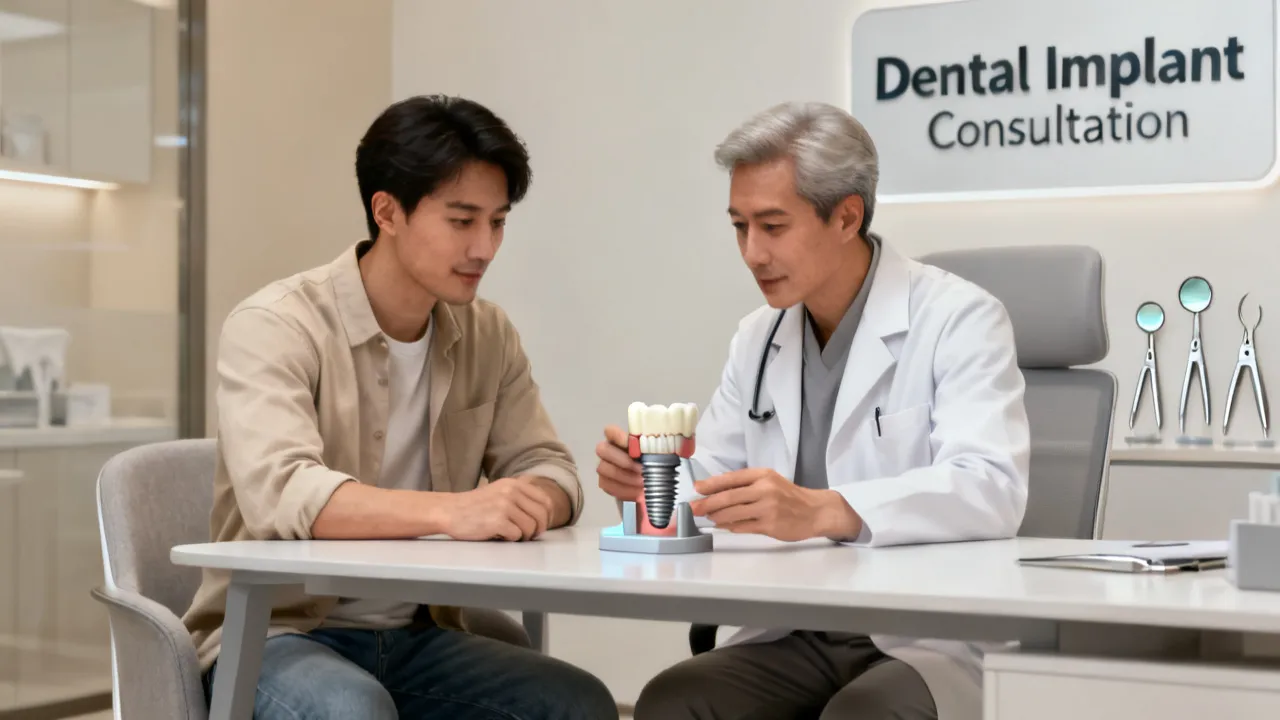
This guide explains how Oraljob applicants and patients can approach low-cost dental implants through careful planning, insurance research, and clinic comparisons across oral health systems. It offers an objective overview of common implant pathways, cost ranges by country, and practical steps for evaluation—highlighting factors like surgical planning, materials, and aftercare.
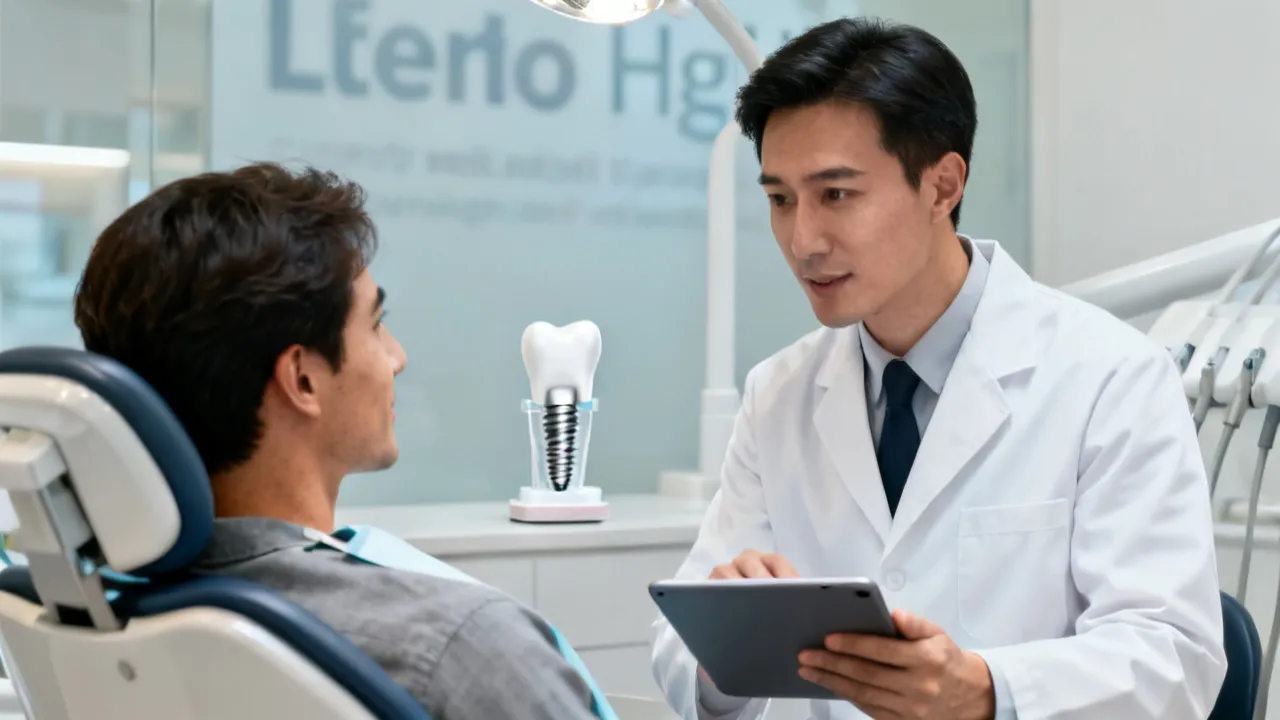
This guide explains how “Oraljob” can support your search for lower-cost dental implant options in English, Spanish, and Portuguese-speaking countries. It reviews reputable information sources, outlines step-by-step pathways to reduce implant costs responsibly, and provides reference price ranges by country. The article also covers eligibility, treatment planning, and practical FAQs from an expert, safety-first perspective.
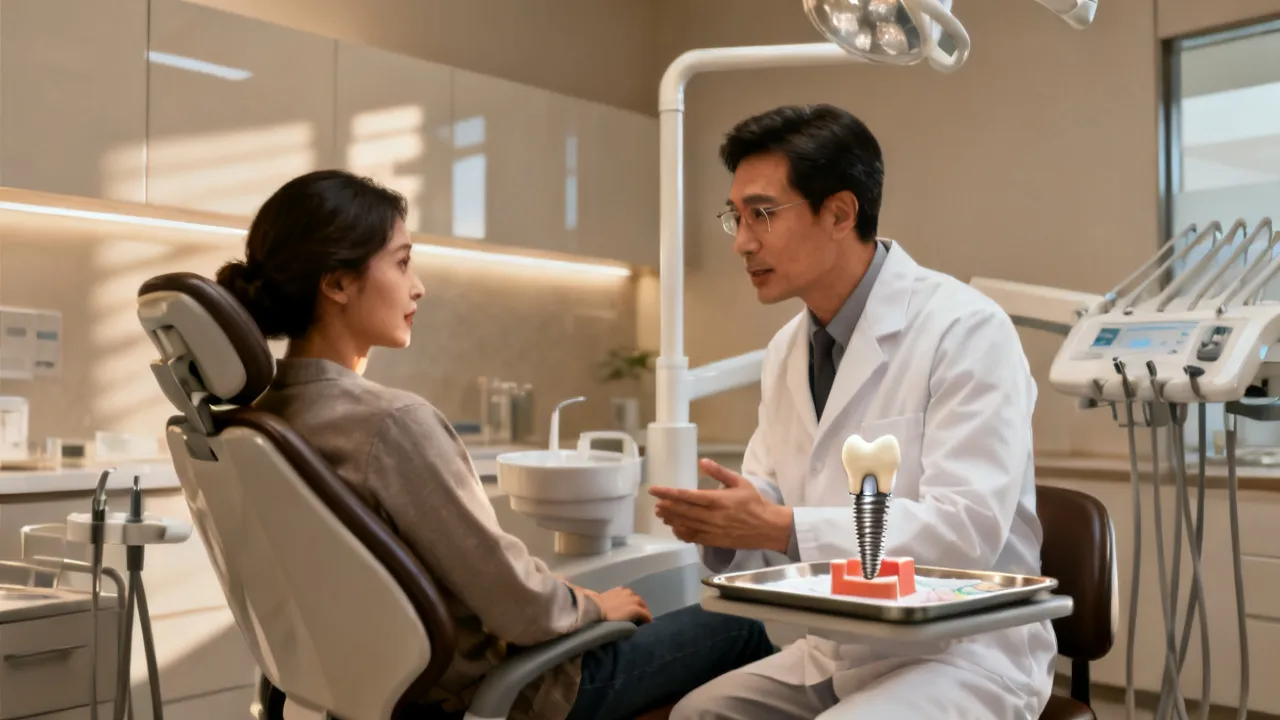
This guide explains how Oraljob supports people evaluating low-cost dental implants across English-, Spanish-, and Portuguese-speaking countries. It reviews trusted dental resources, summarizes typical treatment pathways, compares educational/insurance/travel approaches, and outlines cost ranges by country. You’ll also find expert-style decision criteria, requirements, and practical FAQs to help you plan responsibly.