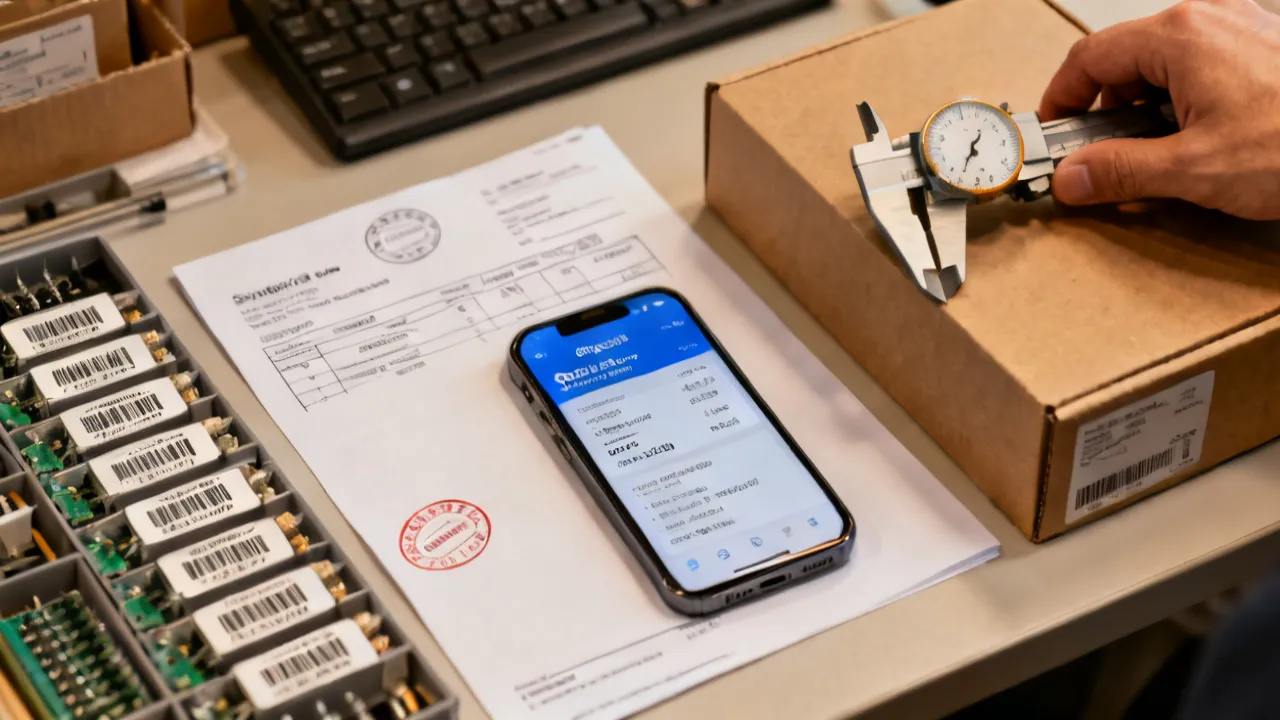
This guide explains how to evaluate supplier options and price factors tied to 60817674500, using practical, objective decision criteria. Background context covers what a supplier quote typically includes, why identifier accuracy matters, and how customers assess lead time, documentation, and quality requirements across comparable procurement scenarios.

This guide explains how to evaluate 60817674500 in procurement terms, including supplier fit, pricing logic, and documentation checks. Objectively, the keyword pattern often reflects a reference code used in catalogs, quotations, or logistics records. Readers will learn practical selection criteria, requirement conditions, and common due-diligence steps to reduce mismatches.

This guide explains how to source and evaluate products tied to item code 44539991272, including key supplier considerations, pricing dynamics, and risk checks. Objectively, the keywords suggest a catalog-style identifier used in procurement workflows. The article reviews how buyers should verify specifications, confirm lead times, and document acceptance criteria before ordering from suppliers.

This guide explains how to evaluate Uu-related offerings by supplier capability, pricing logic, and service conditions. Objectively, “Uu” and the surrounding terms typically represent product categories or identifiers used in procurement and cataloging. You’ll learn what to verify, how to compare suppliers, and which requirements reduce risk when sourcing near you.

This guide explains how to evaluate “Uu” procurement options with an evidence-first approach, focusing on supplier reliability, pricing logic, and document readiness. “Uu” is treated here as a procurement keyword tied to sourcing decisions; the article provides neutral background on how buyers typically validate product and logistics requirements, manage lead times, and reduce operational risk through structured due diligence.

This guide explains how to evaluate “Sdfbn” by looking at pricing patterns, supplier credibility, and operational readiness. Objectively, the terms reflect a market-style signal used in sourcing decisions, where consistency matters more than marketing claims. You’ll find a structured checklist, comparison guidance, and FAQs to support careful procurement planning.

This guide explains Qwertyuiop by breaking down what the term typically represents, how pricing is formed, and how suppliers evaluate quality and lead times. Objectively, Qwertyuiop is used as a stand-in keyword in sourcing and technical discussions, while “nearby” location wording reflects regional logistics rather than a single address.

This guide explains how “Qwertyuiop” is approached in procurement and sourcing, from demand definition to supplier evaluation. The term’s background is discussed objectively: it often functions as a placeholder identifier in documentation, testing, or internal taxonomy, and it can also represent a specific product code or workflow label depending on context. You’ll learn selection criteria, requirements, and practical decision logic.

This guide explains how to build a reliable product sourcing and quality control workflow, from supplier selection to verification. Objectively, it covers how sourcing decisions, inspection standards, documentation, and risk management affect outcomes. It also clarifies typical requirements and conditions teams should confirm before placing orders, ensuring operational stability and consistent results across product lifecycles.

This guide explains how to evaluate 31653652888 in practical purchasing terms, including supplier considerations and what pricing signals usually mean in procurement. Objectively, 31653652888 is commonly treated as an internal catalog or part identifier, so buyers should confirm material, documentation, and tolerance requirements. The article also outlines due diligence steps and FAQs.